A while ago, I posted a video showcasing the “greatest cosmic alignments of the next 10,000 years.” It showed simulations of real, upcoming celestial events—occultations, eclipses, oppositions, conjunctions—that are certain to pique the interest of future observers.
The video was graced by the benevolence of the YouTube algorithm, after which I began to notice across viewers’ comments a recurring theme of wistfulness for the marvels we’ll miss. Only the first item in the video—an occultation of Mars by Mercury—is slated to take place before we’re all dead. Because of this unfortunate timing, many commenters proposed I make a sequel to the video and instead concentrate on events in our lifetime. I figured that to manage to fill a video with “the greatest cosmic events until 2100”, I would have to lower my “greatness” criteria. After all, my original video sought to showcase the six most fantastic events over the next 10,000 years, and now I had tasked myself with digging for equally spectacular events given a time period two orders of magnitude shorter. An impossible task, no doubt.
But when I began researching for my list of phenomena that my follow-up video would draw from—pursuing greatness—I realized I didn’t dig deep enough the first time.
What Makes a Cosmic Alignment Great?
There are two interpretations of this question, both equally important to address.
First, why marvel at mere coincidental alignments of rocks, drifting aimlessly about? Aren’t there more astrophysically significant moments to watch for?
Admittedly, yes, there are. Transient events like novae and asteroid impacts hold tangible significance because they represent actual processes with physical effects—mutual planetary occultations, on the other hand, are purely situational and a mere result of our Earthly perspective. Observers on another planet would have to train their eyes elsewhere for different, again purely situational, alignments of the planets. This is why I’ve decided to include a wider variety of phenomena in my sequel.
However, I value the abstractness of visual planetary alignments for multiple reasons. For all of human history, Earth’s night sky has been our one and only celestial domain. To the uninformed eye—like that of our ancient ancestors—the sky unfolds above as a canvas splattered with points of light, not a voxel of stars and planets like our own. Yet despite the limited information our sky sends down at us, we’ve begun to understand the universe. Our cosmic perspective is our puzzle to solve, and thus every cosmic alignment that slots into our perspective is special.
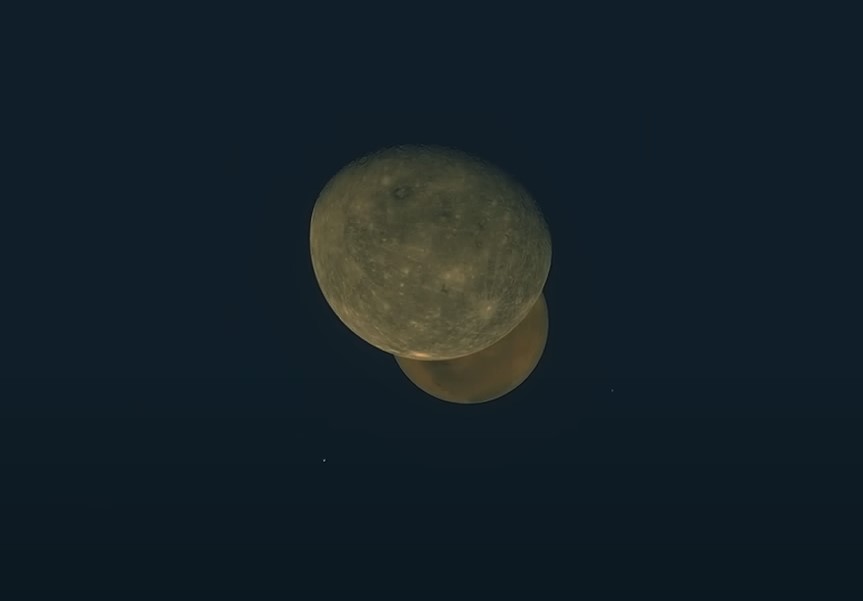
Another effect of the night sky’s familiarity is how utterly alien a great alignment must feel to watch. These moments are incredibly rare in human timescales. Seeing Mercury slide in front of Mars through a telescope would feel terrifying but sublime. Uncanny yet majestic. This is why we eagerly await these spectacles.
Second, granted these events are worth caring about, out of the many planetary conjunctions, solar eclipses, and comet flybys that take place every year, how do we narrow them down to the best few—what makes a cosmic phenomenon a great one?
Well, we want events that we can see. There's nothing great about a Mars–Jupiter occultation that happens behind the Sun. Since that's out of the way, we want events that we don't often see. Nova outbursts like that of V Sagittae change our night sky in ways unfamiliar to most generations alive at the moment they erupt. Not every moment needs visual flair to matter. A planet's closest approach since 10,000 BC carries a significant awe factor. How about events that are statistical miracles? Occultations are relatively common, but how about triple occultations in the Jovian system?
Below, I present the greatest cosmic events from 2025–2100.
Asteroid Apophis Flies by Earth – April 13, 2029
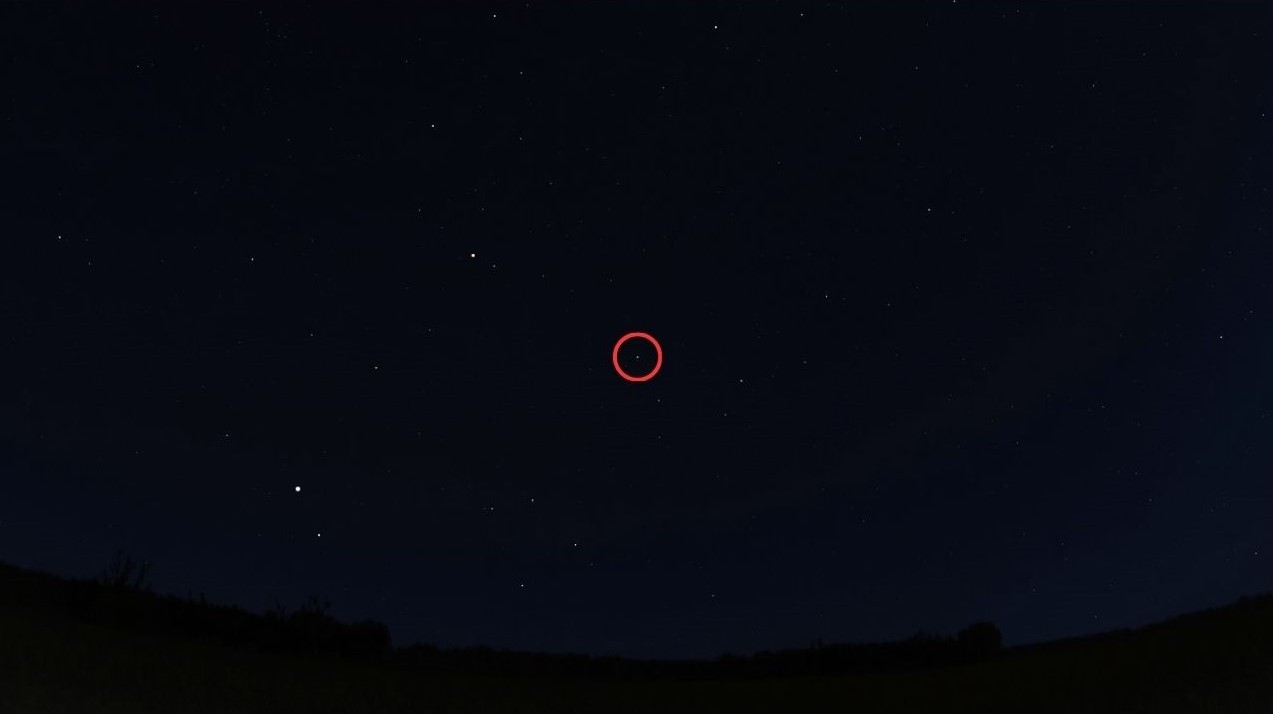
Before astronomers were confident in its trajectory, this asteroid reached a 2.7% chance of impacting Earth and a 1.10 on the Palermo scale for impact risk—the highest risk rating ever recorded. Were it to collide with Earth in 2029, the impact would release 85 exajoules of energy, enough to devastate a large metropolitan area. Fortunately, it will pass harmlessly by, offering an incredibly rare opportunity for study, both through ground-based telescope observations and potential rendezvous missions. For amateur astronomers, the flyby offers an exciting opportunity to view an asteroid “up close”, and some astrophotographers will be able to take images of its surface details.
Visible from: Eastern Hemisphere
How to observe: Naked eye (to see a point of light), 6" telescope (to see a resolved shape)
Asteroid 2024 YR4 Impacts the Moon* – December 22, 2032
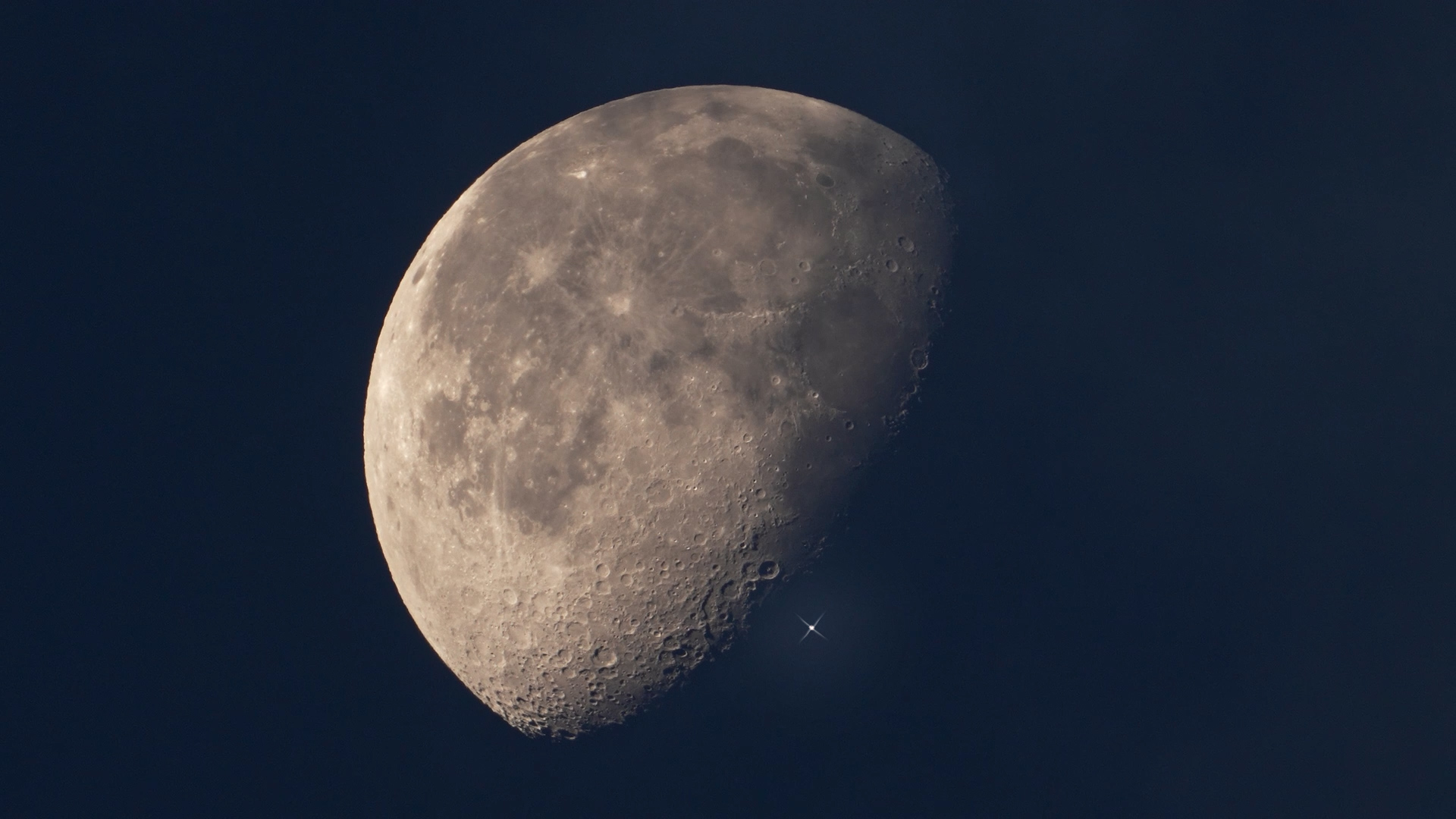
As of May 2025, this lunar asteroid impact only has a 3.8% chance of occurring. Astronomers will continue to refine their astrometry and will likely rule out the possibility of the impact.
But if it does happen, it would be the most energetic lithic collision ever directly observed. Telescopes aimed at the Moon, often during eclipses, have occasionally captured faint flashes caused by marble- to baseball-sized meteoroids. These events usually last only a single video frame and fall under what astronomers call “transient lunar phenomena.”
2024 YR4, by contrast, is building-sized. Its impact would obliterate an area on the lunar surface several kilometers wide and would produce a flash bright enough to easily be seen from Earth. While unlikely, the event would be humanity’s first real-time glimpse at the kinds of processes that have shaped and battered our planets and moons for billions of years.
Visible from: Eastern Asia, Oceania, Pacific, Western North America
How to observe: Naked eye (to see a flash), 6" telescope (to see after effects of impact)
Three Bright Planets, One Bright Star Come Together – July 21, 2037
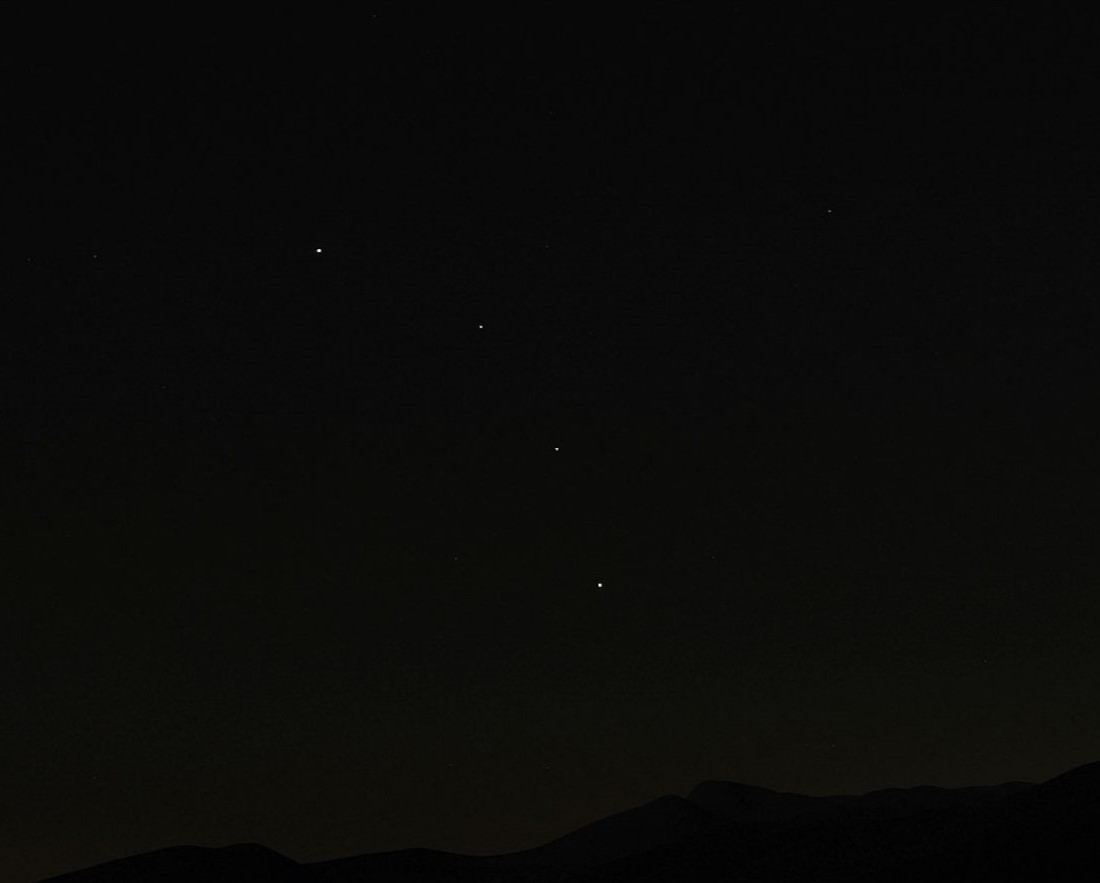
The night sky is endlessly fascinating, but it does not visually change all that much over the course of a year. The planets are the exception to that rule. Named after the Ancient Greek word for “wanderers”, planets certainly traverse the sky and can sometimes come together to create new, interesting “constellations”.
I used Stellarium to watch the planets’ paths through the sky over the next century and concluded that this particular conjunction in 2037 was the most special of them all. In order of increasing right ascension, Mercury, Regulus, Saturn, and Venus will align in the evening sky, each spaced approximately 1 degree apart, during the middle of July 2037. While not scientifically significant in any way, this sure will be a sight to see.
Visible from: Everywhere
How to observe: Naked eye (to see four points of light), 6" telescope (to resolve planet discs, Regulus' secondary star)
Venus Occults Regulus – October 1, 2044
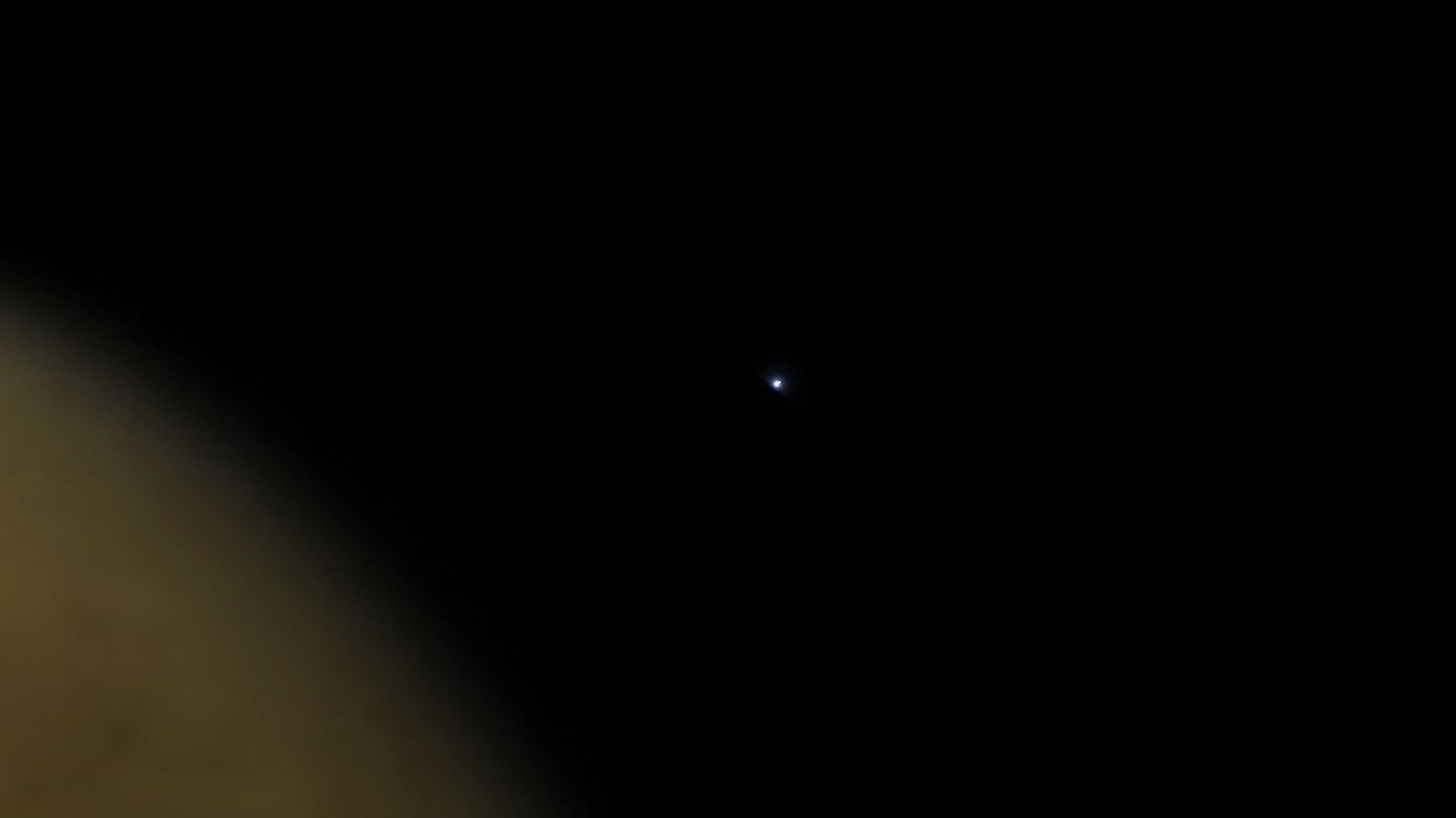
Venus last occulted Regulus on July 7, 1959 and will not do so again until October 21, 3187. Stellar occultations by the planets are very rare and are significant in a multitude of ways. As planets slip in front of stars, astronomers can plot light coming from that star against time and infer from the resulting curve a number of details about the planet’s atmosphere, shape, topography, and even rings.
Stellar occultations are what gave us much of our information about Pluto’s tenuous atmosphere and moon Charon before New Horizons visited. They have allowed study of Uranus and Neptune’s rings and helped us discover rings around asteroids. These foreground objects are incredibly faint, such that it is usually the background star’s light that dominates the light curve and makes the science easier.
A Venusian occultation of Regulus is more challenging to study because of Venus’ brightness and thick atmosphere, but at the very least the event will provide interesting visuals.
Visible from: Asia (at night), Oceania, Pacific, Western North America (in the day)
How to observe: Naked eye (to see two points of light converging), 6" telescope (to resolve disc of Venus, secondary star of Regulus)
Great Mars Opposition – August 15, 2050
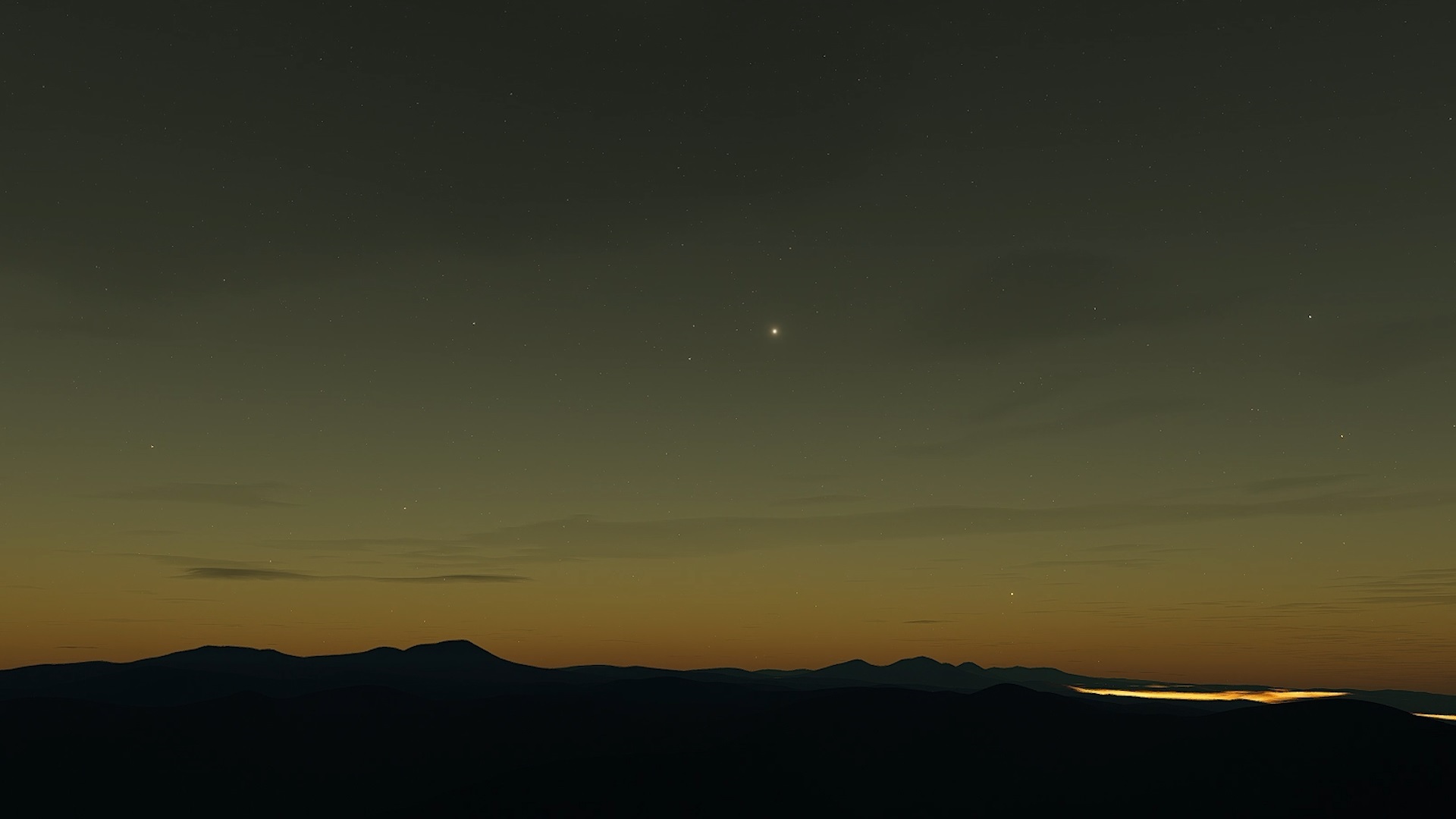
Anyone who witnessed the 2003 opposition of Mars would agree that it was a remarkable sight. That year, Mars came nearer to Earth than at any point since 56,617 BC, reaching a minimum distance of 55.76 million kilometers. While that statistic sounds impressive, these close approaches—known as perihelic oppositions—actually occur every 15 to 17 years. The 2003 event was only slightly closer than thousands before it.
Oppositions are times when planets external to Earth’s orbit—like Mars and Jupiter—are located opposite the Sun from Earth. Oppositions are also the time when these planets are nearest to Earth. Most exterior planets orbit the Sun slowly and therefore Earth “laps” them in just over a year’s time, so those planets’ oppositions are spaced approximately a year apart. However, Mars orbits much closer to Earth than the rest of the exterior planets and therefore Earth takes over two years to overtake it. This two-year (780-day, to be exact) interval is known as the Earth-Mars synodic period. It marks the time interval between Earth-Mars oppositions and defines the cycle of Mars brightening and dimming in our night sky.
However, Mars’ orbit around the Sun is not perfectly circular—instead, it’s elliptical—and as a result, some Mars oppositions bring the planet even closer to the Earth if they occur when Mars is closer to the Sun (perihelion).
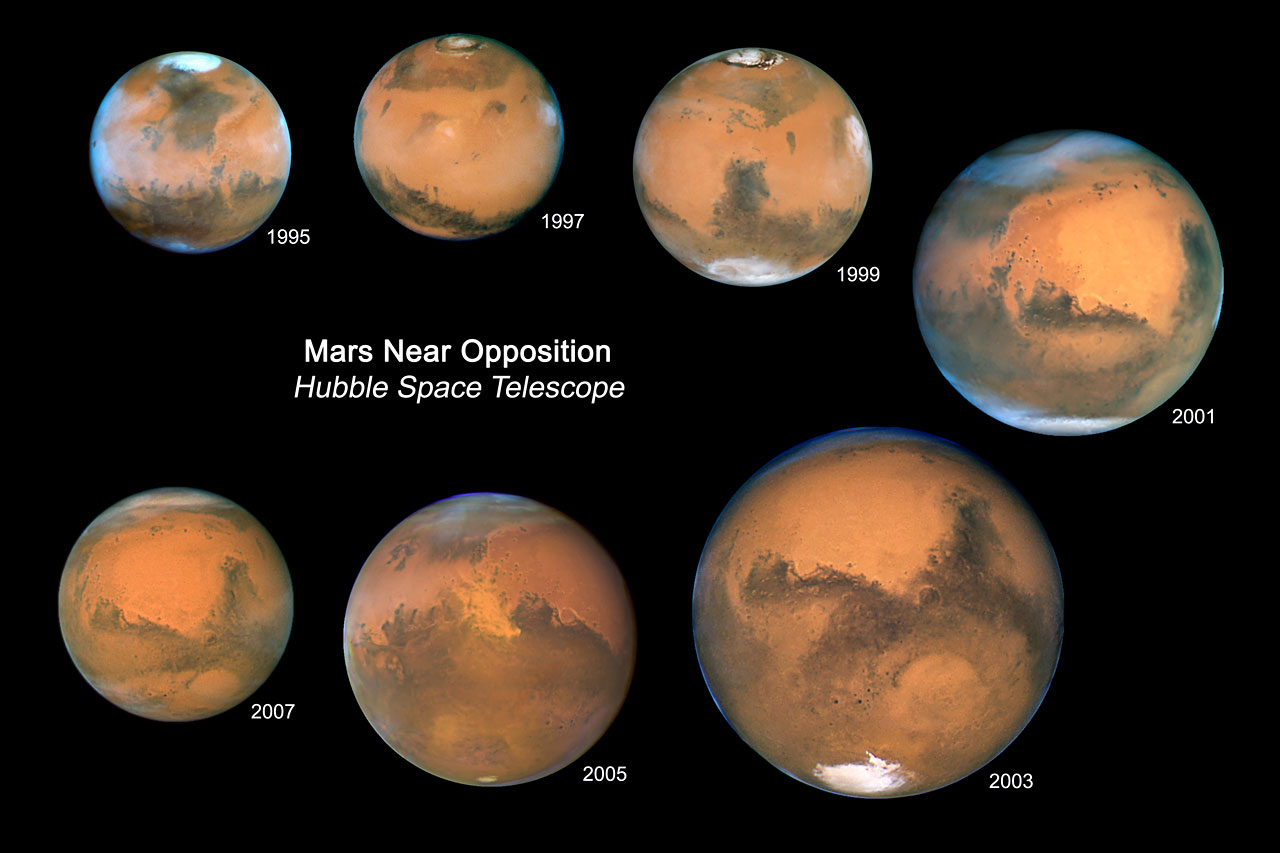
All of this said, Mars’ most recent perihelic oppositions occurred in 2003 and 2018, and its next will happen in 2033, 2050, and so on. 2050’s will likely be the closest, best, and brightest of our remaining lifetimes.
Visible from: Anywhere south of 60° north
How to observe: Naked eye (to see a bright point of light), 6" telescope (to see detail on surface of Mars)
Halley's Comet Returns – July 28, 2061
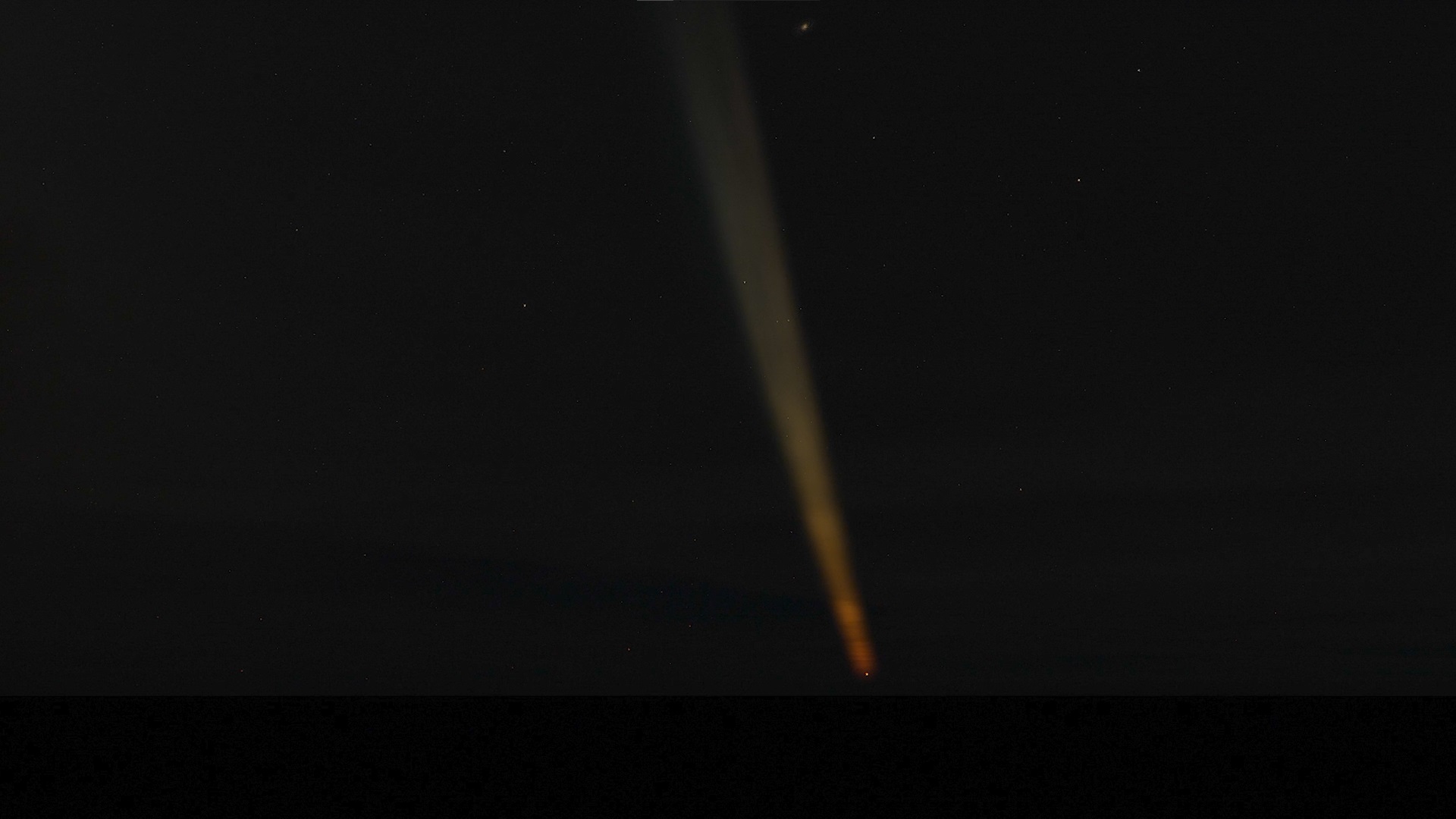
Halley’s Comet is probably the most famous comet, but it certainly is not the brightest in recent memory. Comets Hale-Bopp in 1997 and McNaught in 2007 were many times brighter. Halley’s Comet derives its fame from its periodic and predictable nature—it returns to the inner solar system and to our night sky roughly every 76 years.
Visible from: Anywhere north of 60° south
How to observe: Naked eye (to see a fuzzy streak), binoculars (for better viewing)
Mercury Slides Past Neptune – July 15, 2067
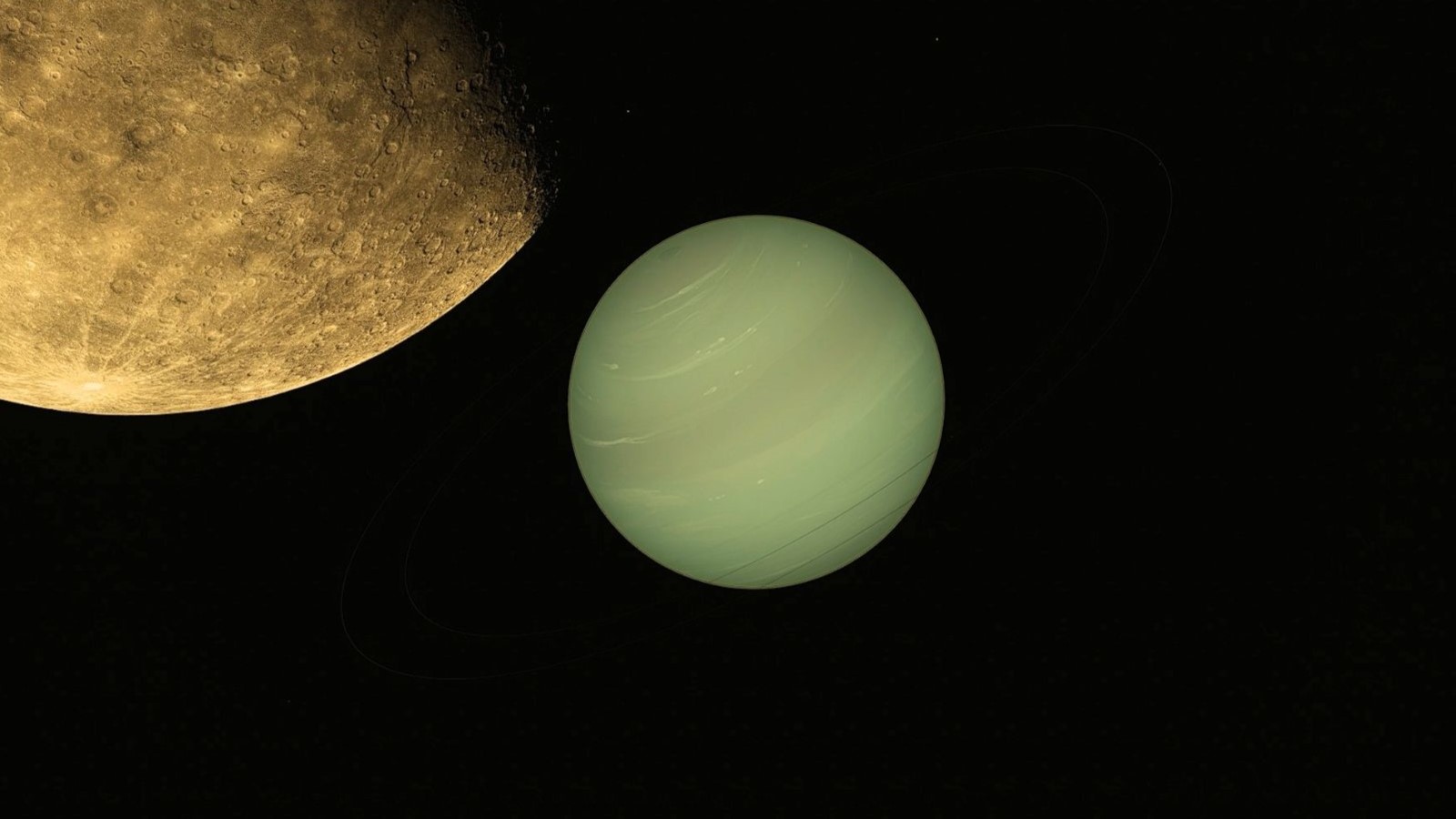
Mutual planetary occultations are rare. Due to their infrequency, it’s likely that only two have been observed by astronomers through telescopes in history. Five remain in the 21st century, but only one will occur distant enough from the Sun in the sky to be observable—and that would be this Mercury-Neptune event in 2067.
Most of the world will not see this event as an occultation, but rather a very close conjunction between the planets. In fact, only at extreme northern latitudes will parallax with Mercury shift the planet’s apparent position enough for it to partially overlap with Neptune during the event.
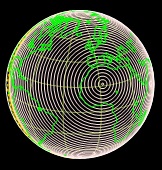
Visible from: South America, Eastern North America (at night), Africa, Europe (in the day)
How to observe: 6" telescope
V Sagittae Goes Nova – c. 2083
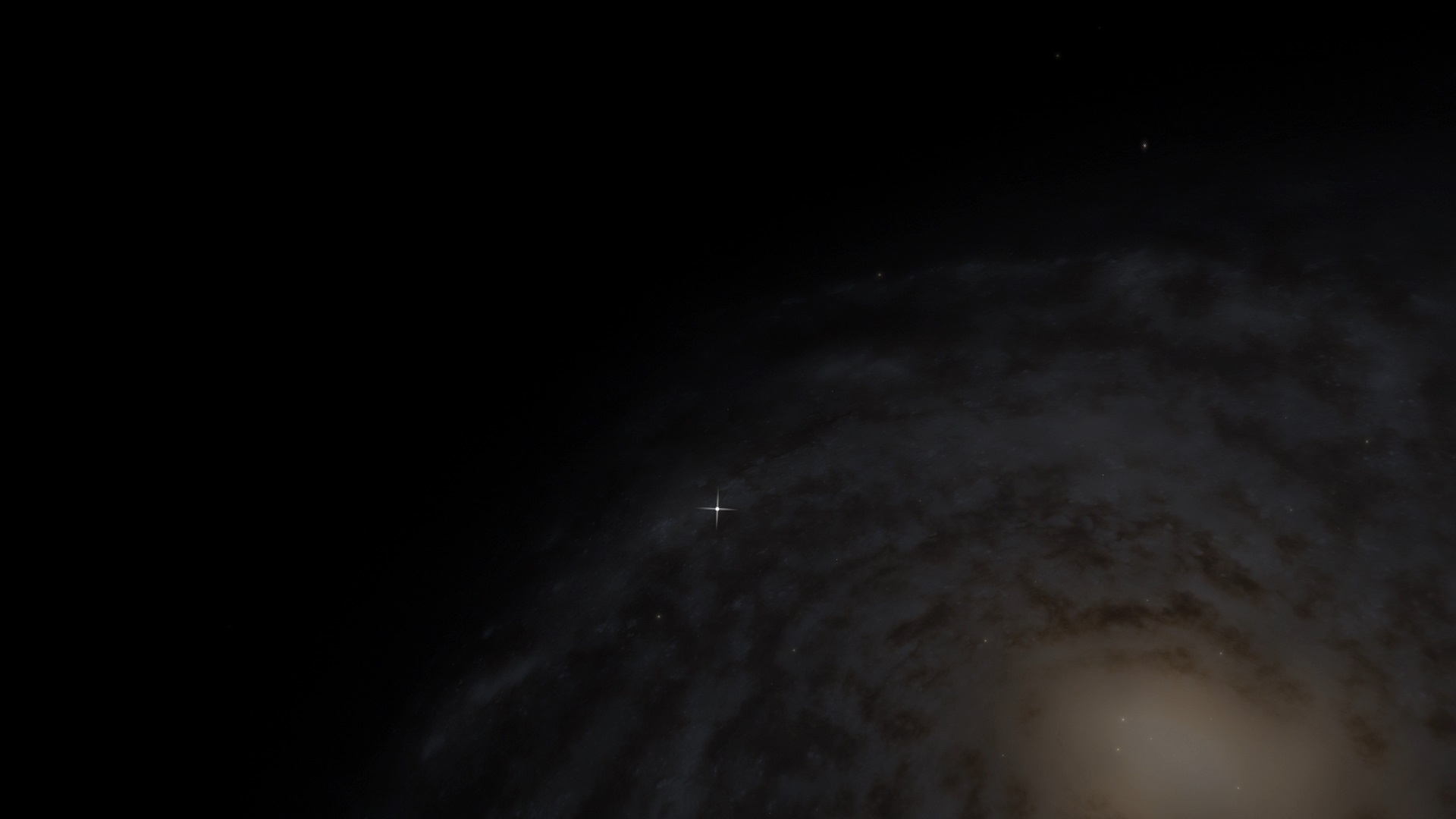
This event sits atop my list as the most significant cosmic event of the century. While most other entries concern domestic matters within our solar system, this particular event will be seen by the entire Milky Way galaxy.
A binary system with a period of roughly 12 hours, V Sagittae consists of two in-spiraling stars that are predicted to merge between 2067 and 2099. When they do, the system’s brightness will erupt to an absolute magnitude of –13.3, visible from Earth at an apparent magnitude of –1.5. Remarkably, the event will shine at an apparent magnitude of 3.5 from the other side of the galaxy. This star system will become the most luminous object in the entire galaxy for the few weeks it undergoes its merger.
Visible from: Anywhere north of 60° south
How to observe: Naked eye
A Rare Three-Moon Occultation at Jupiter – March 27, 2092
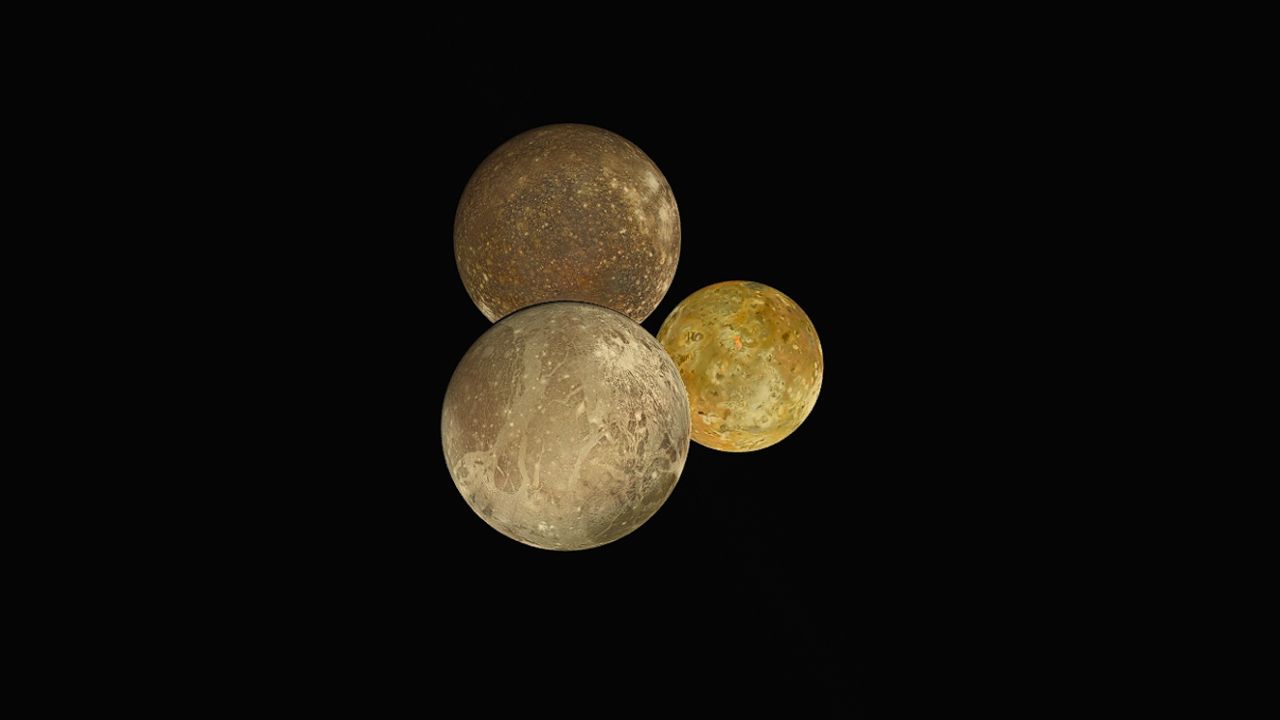
The Jovian system is a fascinating place in the solar system, in part due to its giant moons that are bathed in radiation and orbit Jupiter in periods of just a few days. Due to the dynamic nature of the system, the four Galilean moons (Io, Europa, Ganymede, and Callisto) often occult or eclipse each other from the perspective of Earth.
These events cluster around Jupiter’s equinox, when the inclined orbits of its moons appear flat from Earth’s perspective, allowing the moons to appear to cross each other’s paths frequently.
Using JPL’s Horizons data, I found that the only upcoming event in which the discs of three Galilean moons are set to overlap falls on March 27, 2092, in which Io, Ganymede, and Callisto will graze each other for a few minutes.
Visible from: Eastern Asia, Oceania (at night), Western North America (in the day)
How to observe: Binoculars, 6" telescope
Venus Occults Neptune – August 21, 2104
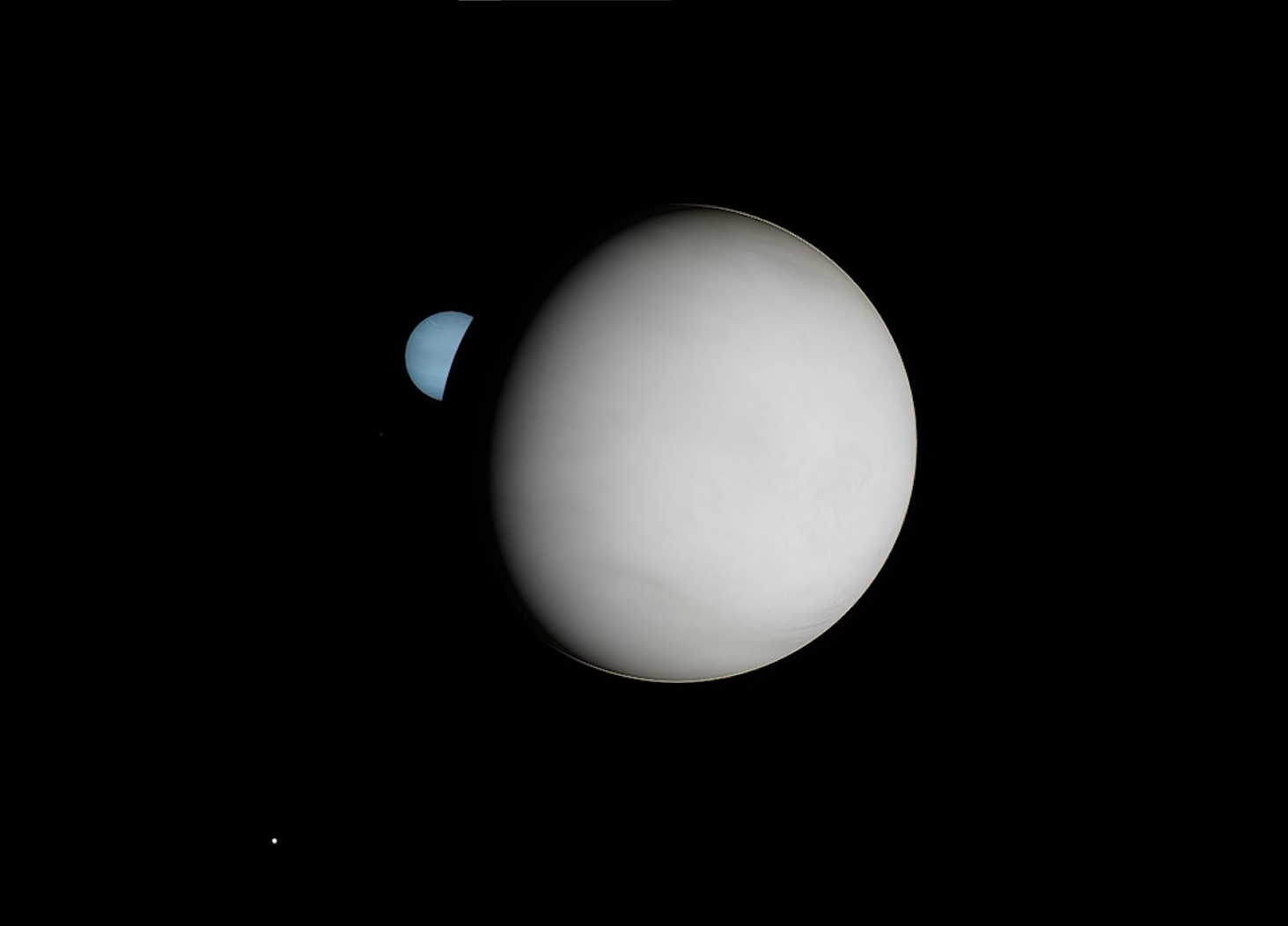
This event will occur at an elongation of 27 degrees east of the Sun, making it the most observable mutual planetary occultation of our lifetimes in that respect. However, Venus is far brighter than Neptune. Their respective magnitudes, –3.8 and 8.0, yield a brightness ratio of 52,480:1. Clever techniques will be required to capture this event.
Visible from: Central North America (at night), Western North America, Oceania, Eastern Asia (in the day)
How to observe: 6" telescope
Venus Transit – December 11, 2117
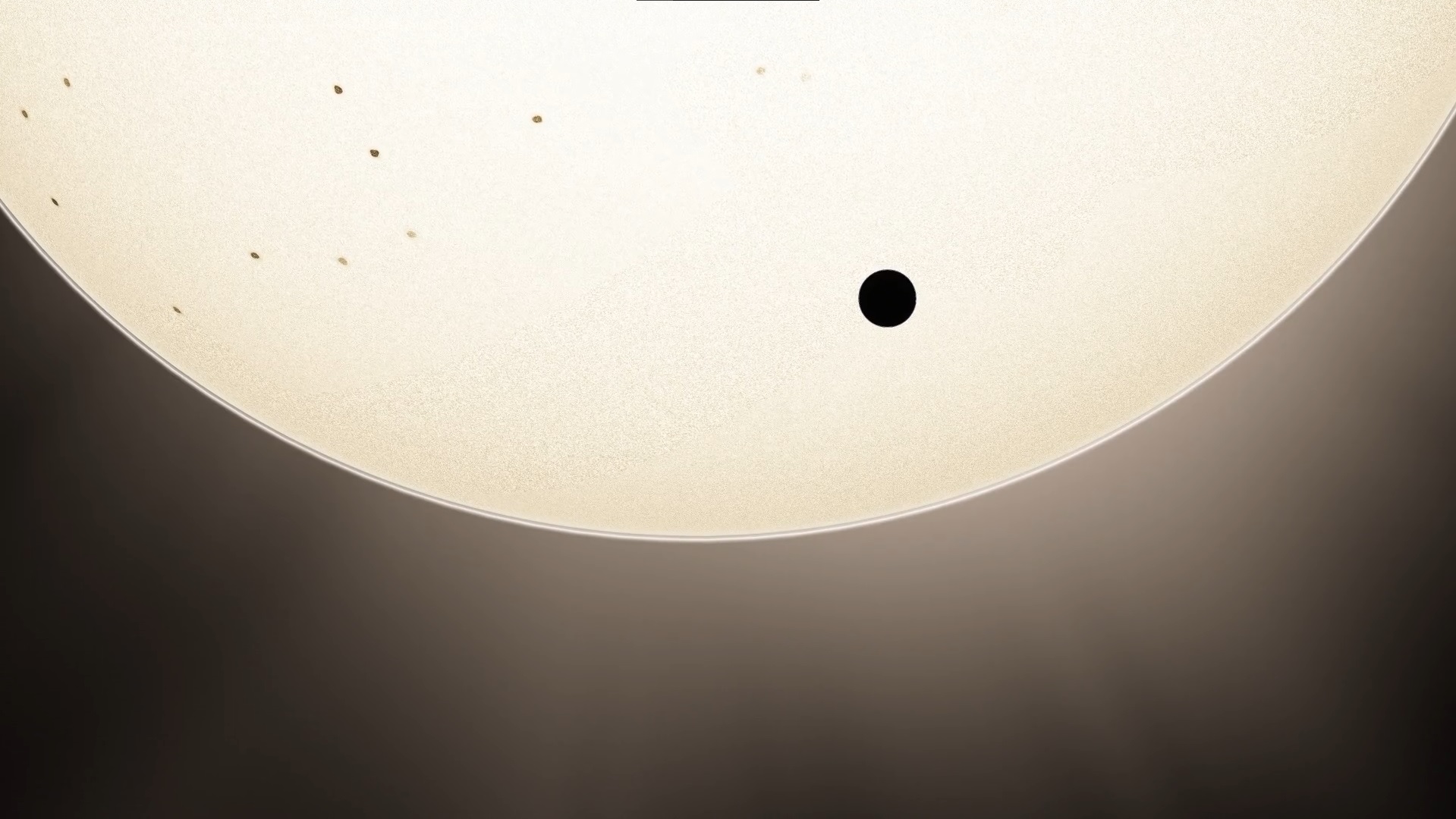
Venus transits, in which the planet crosses the disc of the Sun, are rare. Orbital axes are constantly precessing and synodic cycles steadily advancing, but for now, these events occur in matched pairs roughly every 110 years.
The last pair contained transits in 2004 and 2012, and the next pair will see transits in 2117 and 2125. These transits are scientifically valuable because they allow for spectroscopic studies of Venus’s atmosphere, while also serving as a close-up analog to the transit observations we make of distant exoplanets.
Visible from: Everywhere except Eastern South America and Western Africa
How to observe: Solar filtered telescope (use caution!)
I hope these events are of interest to anyone reading this. May we all live to see them. Make sure to watch my video to see a preview of them all.
If the beauty of space is not already apparent in our every glance up at the night sky, it is imposed on us by these celestial alignments and phenomena.